Ping's Blog

Welcome to our blog, where we share the latest phishing and scam news that caught our attention. From new threats to evolving tactics, we highlight the most relevant stories and insights to help you stay informed and protect yourself online.

Latest post

Fake Permit Fee Emails Are Targeting Property Owners, Palm Springs Police Warn

Palm Springs police are warning residents and businesses about a nationwide phishing scam aimed at anyone with an active land-use permit application. Scammers pose as city or county planning and zoning officials and send convincing emails that include real property addresses, permit numbers, and official names gathered from publicly available information. The catch is a demand for a "permit fee" paid by wire transfer, peer-to-peer payment app, or cryptocurrency. Before you pay anything, contact the agency using a phone number or website you look up yourself, and check the sender's address for any domain that isn't an official government one. Forward suspicious emails to emailSONAR's AI-powered platform to verify them before you act, and stay alert.


Fake MyChart "Results Ready" Emails Are Targeting Patients Nationwide

MyChart, the health portal roughly 190 million patients use to message their doctors and check test results, is now being impersonated in a growing wave of phishing emails. The scam typically claims your results are ready and links to a convincing fake sign-in page; some victims who enter their credentials are shown a fabricated "concerning" blood work result to keep them clicking, while a second version dangles a free "Medicare Health Kit" instead. MyChart says the giveaway is simple: a real notification always names your actual healthcare organization, not just "MyChart" alone. Don't click sign-in links from an email — open the MyChart app directly, and call your provider if anything feels off. Forward anything suspicious to emailSONAR's AI-powered platform to verify it before you click, and stay alert.
World Cup 2026 Phishing Campaign Delivers Stealthy Voidrift Malware via Personalized Lures

A highly personalized phishing campaign is currently exploiting excitement surrounding the FIFA World Cup 2026 to distribute a stealthy malware family known as Voidrift. Threat actors are utilizing extensive reconnaissance to customize emails with the recipient's name, employer name, and even corporate logos embedded into images of free t-shirts, creating highly convincing lures. The campaign claims to offer exclusive World Cup apparel through a fabricated partnership, and has successfully bypassed widely deployed secure email gateways (SEGs) including Cisco IronPort, Microsoft ATP, and Abnormal Security. Once delivered, the Voidrift binary operates with a minimal detection footprint and actively resists analysis, making detection and response extremely difficult for security teams. To safeguard your organization, we urge employees to remain highly vigilant when receiving unsolicited promotional offers, even if they feature realistic corporate branding. As always, stay alert—if you receive any suspicious emails or partnership offers, forward the suspicious link or email to the emailSONAR AI-powered verification platform to safely verify its authenticity before proceeding.

Phishing Attacks Surge: Employee Data Target of Choice

Phishing attacks targeting employee credentials and sensitive organizational data have reached an all-time high, driven by the proliferation of AI-assisted phishing tools and sophisticated social engineering tactics. According to the latest Cybersecurity Threat Report, cybercriminals are shifting away from mass campaigns to target high-value roles in Finance, HR, and IT who have access to payroll and employee records. The report highlights a 45% year-over-year increase in incidents, with hackers using LLMs to write hyper-personalized, error-free emails and using proxy-based phishing sites to bypass Multi-Factor Authentication (MFA). To protect your organization, we urge employees to remain highly vigilant and IT administrators to implement phishing-resistant MFA security keys. As always, stay alert—if you receive any suspicious emails or login prompts, forward the suspicious link or email to the emailSONAR AI-powered verification platform to safely verify its authenticity before proceeding.

New Phishing Scam 'Kali365' Bypasses MFA to Target Outlook and OneDrive Users

A newly identified phishing-as-a-service platform known as Kali365 is targeting Microsoft 365 users, putting Outlook, OneDrive, and Teams accounts at serious risk. By exploiting the legitimate Device Code authentication flow, attackers trick users into entering temporary codes on genuine Microsoft verification pages. This session-hijacking method allows cybercriminals to bypass Multi-Factor Authentication (MFA) and secure persistent access to sensitive cloud data without passwords. To protect your organization, we urge users to remain highly vigilant with device code requests and recommend that IT administrators disable this authentication flow where not required. As always, stay alert—if you receive an unexpected document or login prompt, forward the suspicious link or email to the emailSONAR AI-powered verification platform to safely verify its authenticity before proceeding.

IRS Releases "Dirty Dozen" Tax Scams for 2026: Protect Your Inbox

The IRS has released its annual "Dirty Dozen" tax scams for 2026, warning of a surge in sophisticated phishing, smishing, and AI-enabled phone spoofing campaigns designed to steal personal identity data and tax refunds. Fraudsters are increasingly using realistic email and text messages that impersonate the IRS, complete with QR codes leading to fake portals, to capture sensitive credentials. To protect your personal information and prevent devastating identity theft, it is crucial to remain vigilant against unsolicited tax-related communications. If you receive any suspicious tax notices or emails claiming to be from the IRS, forward them to emailSONAR's AI-powered platform to instantly verify their authenticity and stay alert.

How Scammers Use Simple Google Searches to Target the Elderly

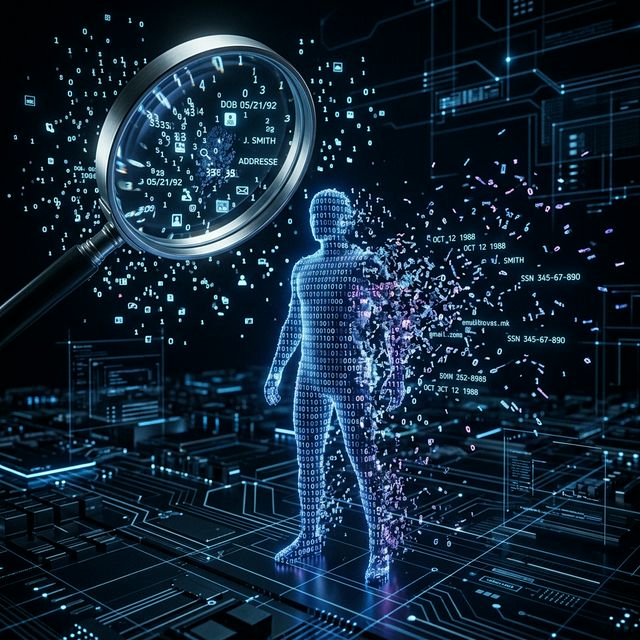
A simple Google search can reveal personal details that scammers use to launch targeted attacks, especially against the elderly. By scraping data brokers and public social media profiles indexed by Google, criminals can quickly build a detailed profile of a family's network. They then use this information to pose as a relative in distress—often calling elderly parents and pleading for emergency funds while using specific, believable details to gain trust. This tactic has contributed to over 82,000 elder fraud complaints in a single year alone. Protect your loved ones from these highly personalized social engineering tactics; forward any suspicious emails or messages to emailSONAR's AI-powered platform to instantly verify their authenticity and stay alert.

Scammers Using Invisible Text to Evade AI Email Filters

Scammers are continually evolving their tactics, and their latest method involves hiding invisible text within phishing emails to manipulate and bypass AI-powered security filters. This stealthy approach alters how the email's content is analyzed by security systems without changing its visual appearance to the victim, ensuring their scams land directly in your inbox. Don't leave your organization's security to chance; forward any suspicious messages to emailSONAR's AI-powered platform to accurately verify their legitimacy and stay alert against these advanced evasion techniques.

Phishing Scams Use FOMO & Fake Party Invites

Cybercriminals are using your fear of missing out (FOMO) to spread malware by disguising phishing links as vague party invitations from popular platforms like Evite and Paperless Post. This scheme is especially devious because the fake invites often originate from the hacked email accounts of friends or former colleagues, making them appear completely legitimate. Clicking these malicious links can secretly download malware to harvest your passwords or prompt you to hand over your login credentials directly. Protect yourself from these deceptive social engineering tactics; instead of guessing, forward any unexpected or vague party invitations to emailSONAR's AI-powered platform to verify their safety before you click.

FBI Warns of Medical Phishing Scams

The FBI is alerting the public about a wave of phishing emails where scammers pose as health insurance fraud investigators. These messages aim to obtain protected health information and personal records by creating artificial urgency. The agency recommends staying vigilant against unsolicited personal information requests. Before clicking suspicious links, forward questionable emails to emailSONAR's AI platform for authenticity verification.

New Google Account Phishing Scam: Highly Realistic and Polished

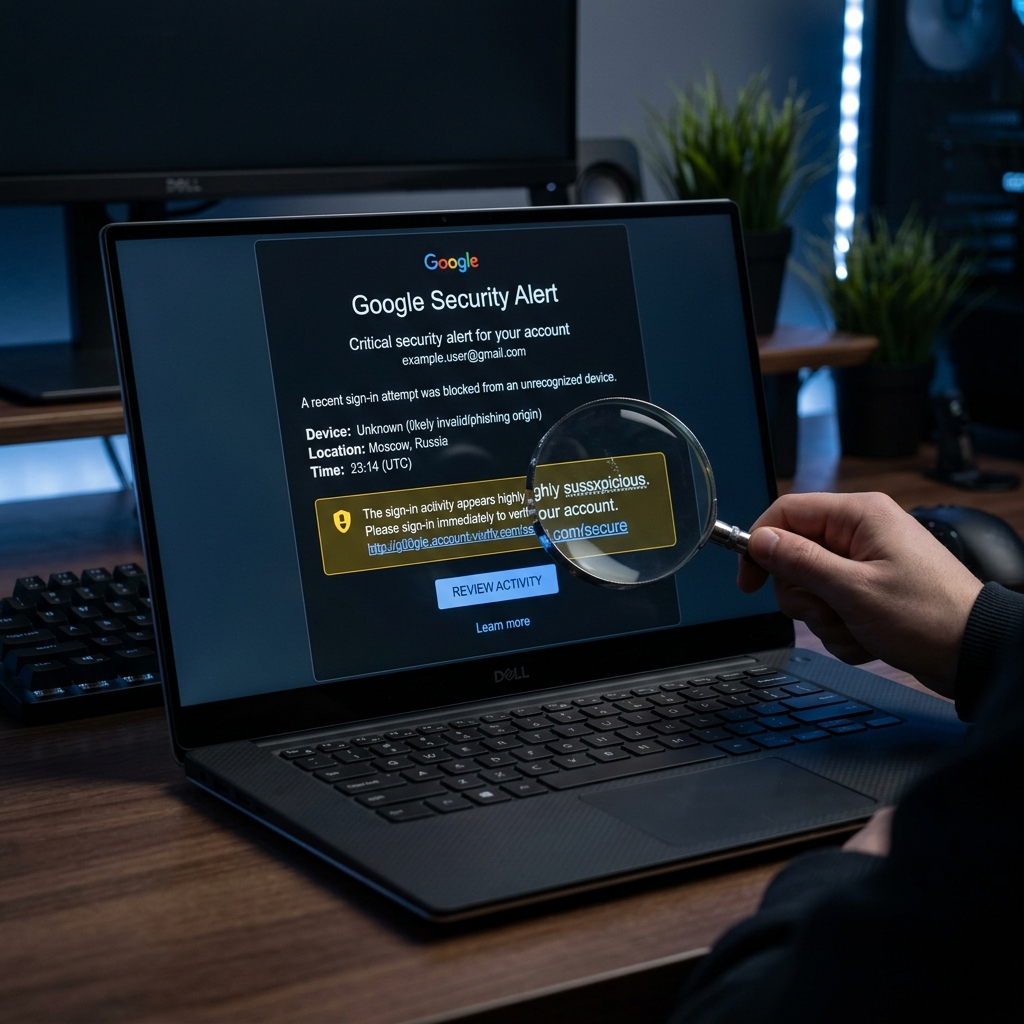
A sophisticated phishing scheme exploits Google's trusted infrastructure using the official no-reply@accounts.google.com address and Google Sites. The scam delivers convincing fake subpoena alerts, routing victims through real Google login pages before landing them on fraudulent support sites. This approach easily bypasses traditional spam filters. Users should verify every security alert and forward suspicious emails to emailSONAR's verification platform.

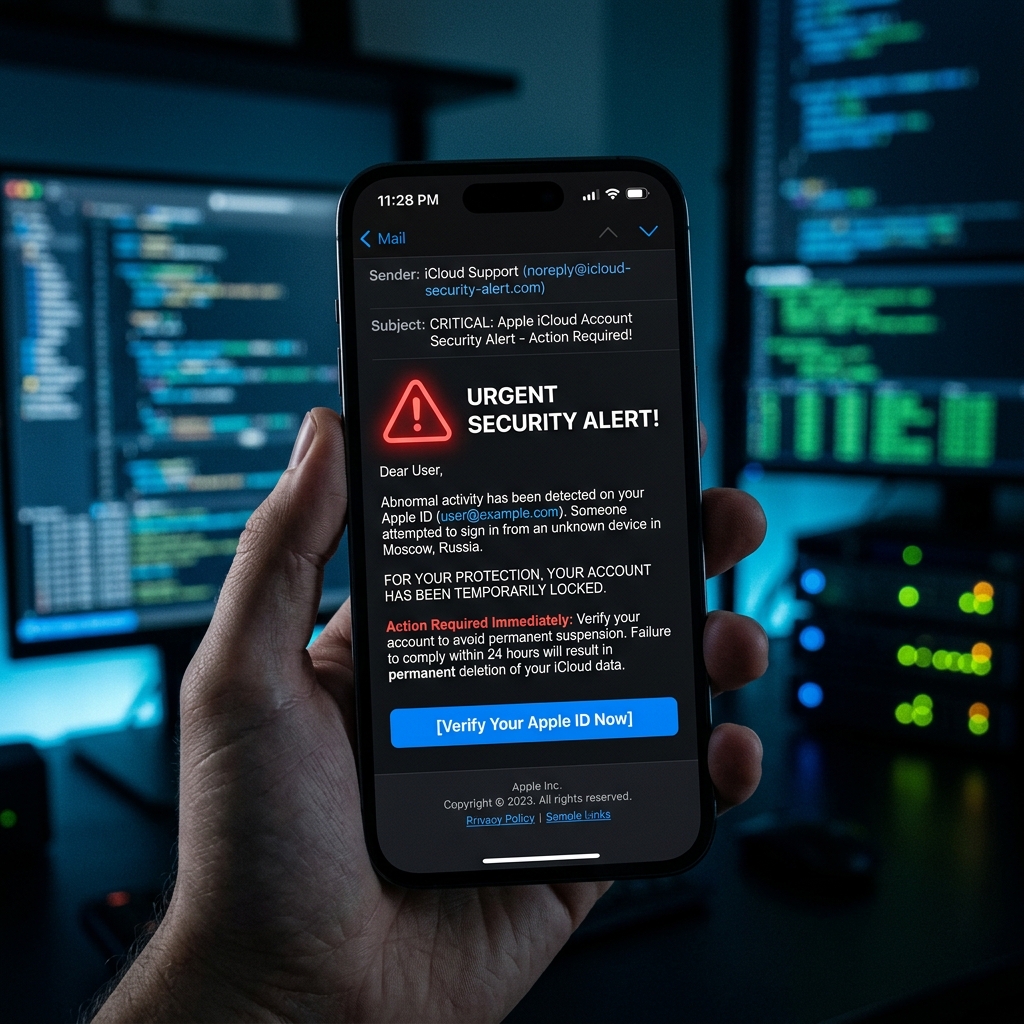
New Apple iCloud Phishing Campaign Targets Millions

A deceptive phishing campaign circulates targeting Apple users with iCloud account alerts claiming suspicious activity or payment failures. These emails feature urgent language and professional branding to pressure users into clicking malicious links and surrendering Apple ID credentials under threat of account suspension. Verification of every suspicious email is critical before taking action. Forward questionable messages to emailSONAR's AI platform for real-time inbox safety confirmation.

8 Critical Red Flags to Spot Phishing Scams in 2026

Phishing has become increasingly sophisticated in 2026, with criminals often bypassing traditional security filters. The article highlights that "high-pressure urgency and suspicious activity warnings" along with "AI-powered voice spoofing" represent evolving threat tactics. Even as ChatGPT assists attackers in crafting error-free emails, observable warning signs persist—"mismatched URLs, unexpected attachments, or generic sender addresses" remain critical indicators of phishing attempts.

The recommendation emphasizes leveraging emailSONAR's AI verification engine to analyze questionable messages before clicking.

Safeguarding Seniors: The Devastating Impact of Email Fraud

Recent research reveals that American seniors face "a staggering $3.4 billion annual loss" from sophisticated email phishing scams impersonating institutions like Medicare and major banks. The data shows "elder fraud losses skyrocketing by 183% in just four years," underscoring the urgency of verification practices. The platform recommends forwarding suspicious emails to emailSONAR for expert AI-powered analysis.

Scammers Impersonate Catholic Charities in Major Fraud Scheme Against Immigrants

A sophisticated fraud scheme targets U.S. immigrants, with criminals posing as Catholic Charities representatives to "steal tens of thousands of dollars through fake promises of legal assistance." Perpetrators leverage "official logos and social media advertisements on platforms like WhatsApp and Facebook" to exploit vulnerable populations seeking legal status. The scheme often leaves victims in significant financial debt. Verification through emailSONAR is recommended for any suspicious communications involving legal or financial matters.

Kratos Unleashed: The New Phishing-as-a-Service Kit Industrializing Cybercrime

Cybercriminals are expanding their operations through 'Kratos,' a sophisticated Phishing-as-a-Service offering that emphasizes Adobe-themed deceptions. This toolkit provides a modular, subscription-based model equipped with mechanisms to circumvent CAPTCHA verification and extract credentials in real-time via Telegram messaging. The emergence of such industrialized attack frameworks means conventional email defenses prove insufficient for modern threats.

Hiding in Plain Sight: How Data Broker Breaches Fueled $20.9B in Identity Theft

Privacy violations have resulted in identity theft losses reaching $20.9 billion, according to congressional examination. Data brokers intentionally obscure privacy controls and hide opt-out mechanisms from search results, making it extremely challenging for individuals to prevent their sensitive details from circulating online—ultimately enabling personalized phishing and fraud initiatives.

Don't Click That Link: These 10 Brands Are Being Spoofed the Most

Research from Guardio identifies the ten most frequently impersonated organizations in phishing schemes: Microsoft, Facebook, Netflix, Coinbase, and Australian government entities top the list. These deceptive messages often mimic urgent notifications, directing recipients to fraudulent sites designed to harvest login information. Contemporary artificial intelligence technology enables attackers to craft increasingly authentic-looking counterfeit platforms.

Phishing Gone Too Far: The $27K Scam That Started with an Email

An Ohio resident lost $27,000 after falling victim to an Apple ID phishing scheme. Cybercriminals deceived the victim into believing his account had been compromised, then appeared at his residence and convinced him to surrender cash. This case demonstrates how phishing threats can escalate beyond digital channels into physical-world danger. emailSONAR positions itself as a detection resource to identify threats before they become dangerous.

emailSONAR: The 7th Layer of Security You Didn't Know You Needed

CyberGuy.com exposed "a sneaky bank phishing scam that looks frighteningly official—complete with real logos, urgent security warnings" that installs malware or steals credentials. The article explains that standard defenses include antivirus tools, strong passwords, multi-factor authentication, and software updates. emailSONAR functions as supplementary protection requiring no technical expertise—users simply forward suspicious emails for analysis.

HR-Themed Phishing Emails Among Most-Clicked in Q2 — What That Means for Your Business

Employees in the last quarter were most susceptible to phishing emails disguised as internal HR or IT communications. According to the source, "HR or IT communications—accounting for 42.5% and 21.5% of failures in KnowBe4 simulations, respectively." Nearly all top ten most-clicked phishing templates used internal themes with familiar subject lines such as "Time Off Request" or "Performance Review."

The article highlights that polymorphic, HR-themed phishing is particularly dangerous because it exploits employee trust and internal urgency. emailSONAR offers protection suitable for small businesses and solopreneurs, providing plain-English risk reports and automated safeguards against internal-looking scam emails without requiring complex setup.

What Is Polymorphic Phishing?

Polymorphic phishing represents a sophisticated scam technique where each email is slightly altered—changing subject lines, sender names, links, and design—to evade spam filter detection. "These constant changes make it hard for traditional systems to recognize the threat."

emailSONAR addresses this challenge by analyzing hidden patterns, technical metadata, and suspicious behaviors across emails to identify red flags regardless of message disguise, providing users with clear, plain-English risk reports.

AI-Driven Phishing Attacks Are Outsmarting Employees

Research by Dojo involving 2,000 UK employees reveals a concerning trend: AI-generated phishing emails increasingly deceive staff. The study found that "56% failed to distinguish them from legitimate messages, despite being confident in their judgment." Higher-level employees performed worse, with 66% of executives and 73% of founders falling for convincing scam emails mimicking services like Google, Dropbox, or Slack.

The research emphasizes how generative AI elevates phishing threats beyond traditional indicators, underscoring needs for stronger domain authentication, regular simulated attacks, and focused training—particularly for finance and administration roles.

Delete Any Texts On Your Phone That Include These 3 Letters

Zak Doffman's Forbes piece alerts users about "smishing" attacks—SMS phishing scams connected to organized cybercriminal groups, particularly the Smishing Triad. These text-based frauds typically impersonate toll services or delivery companies, pressuring recipients to pay fake unpaid fees through suspicious links featuring unusual domain extensions like ".TOP" or ".XIN," which are linked to malicious Chinese operations. These fraudulent domains are short-lived, often active for only 24 hours, complicating blocking efforts. The FBI advises immediately deleting unsolicited texts containing questionable links and avoiding clicks or attachments from unknown senders.

'Venom Spider' Targets Hiring Managers in Phishing Scheme

The cybercriminal group "Venom Spider" orchestrated a targeted phishing campaign aimed at hiring managers and recruiters by posing as job applicants. These deceptive messages contained malicious attachments, including fabricated résumés, which deploy "More_eggs" backdoor malware when opened. This malware grants attackers system access, enabling data theft and deeper infiltration. HR professionals face heightened vulnerability since they routinely open attachments from unknown sources. Organizations must strengthen cybersecurity training and protocols, particularly in HR departments susceptible to such targeted schemes.

E-ZPass toll payment texts return in massive phishing wave

A phishing campaign resurfaced, targeting people with fraudulent text messages impersonating E-ZPass and toll agencies. These messages falsely claim recipients owe unpaid tolls and redirect them to malicious websites designed to steal personal and financial information. The FBI documented over 2,000 complaints related to these scams since March 2024, affecting multiple states. Authorities recommend avoiding links in unsolicited texts, verifying tolls through official channels directly, and reporting suspicious messages to the Internet Crime Complaint Center (IC3).

Users Face New Phishing Threats From Sophisticated Scam Kit

Cybersecurity expert Alex Vakulov warns that "a sophisticated phishing scam kit" now enables criminals to "create nearly identical replicas of legitimate single sign-on (SSO) pages." These fraudulent pages steal usernames, passwords, and photo IDs through coordinated email, SMS, and voice phishing campaigns impersonating customer support. The kit incorporates CAPTCHA verification to bypass automated detection tools, making deception more effective.

Why you should never, ever delete spam email

Rather than deleting spam, marking emails as spam or junk trains your email client's filter system. This action "helps train your email client's spam filter to better recognize and filter out unwanted messages in the future," improving detection capabilities for similar threats.

Got a suspicious email right now?

Forward a suspicious email and we'll reply with a free sample email analysis.

ping [at] emailsonar [dot] com